4 Coping Mechanisms For Dealing With Mental Health Challenges After A Car Accident
Car accidents can have a profound impact on mental health. Explore four effective coping mechanisms to navigate emotional challenges and promote healing after a traumatic experience.
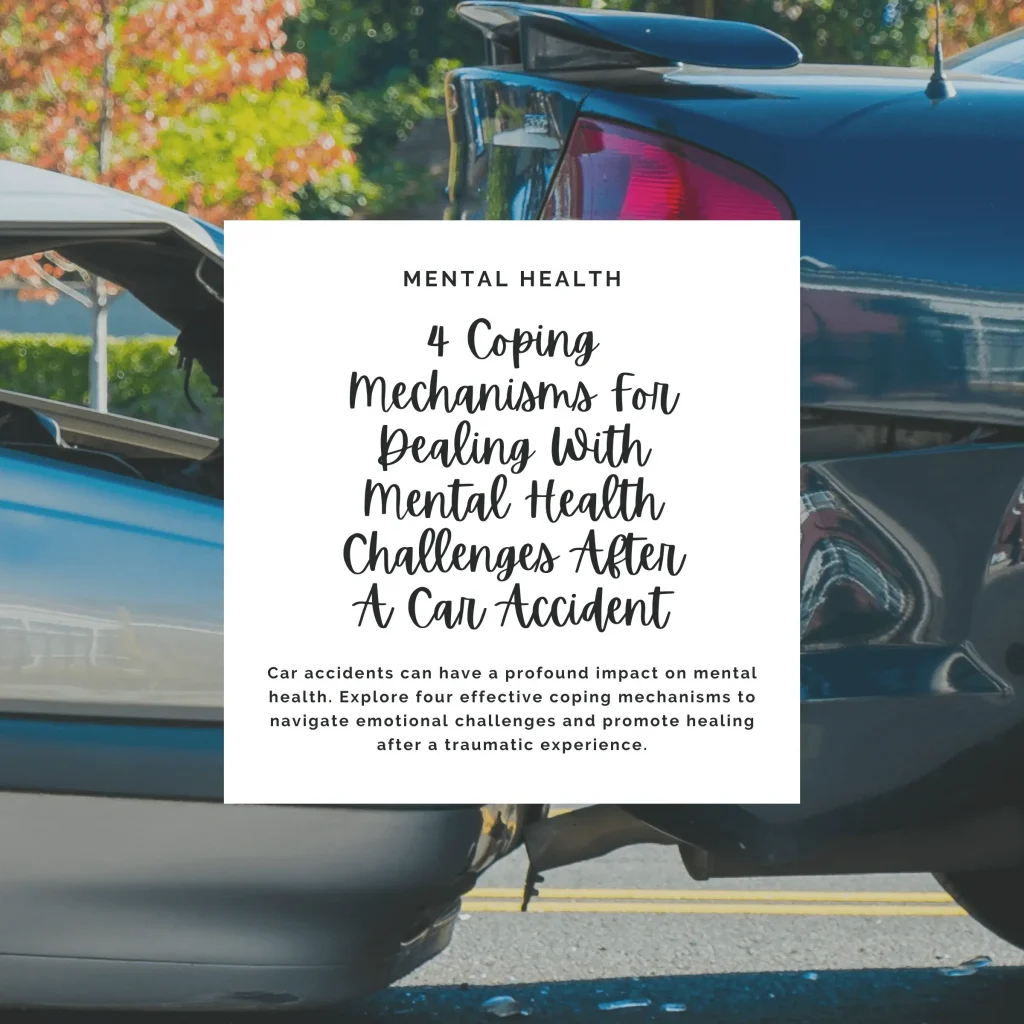
Car accidents can have devastating consequences, not only physically but also mentally. The aftermath of such incidents can profoundly impact one’s mental health and overall well-being. Research indicates that individuals who had experienced personal harm, mainly when the accident was not their fault, are more susceptible to experiencing severe mental and emotional health issues.
It is understandable, considering the financial strain brought upon by medical expenses, property damage, rehabilitation, and ongoing medication requirements. Even if you work with a personal injury lawyer to look at recouping costs and getting the compensation you deserve, it’s not always enough. Consequently, the impact on mental health runs deep.
Nevertheless, it is crucial to recognize the significance of addressing these mental health challenges for happiness and recovery. The purpose of this article is to provide practical strategies that can help navigate the post-accident phase successfully.
Let’s read on!
How To Cope With Your Mental Health After A Car Accident
Acknowledge and Validate Emotions
It is normal to feel various emotions, such as fear, anxiety, sadness, or even depression. Ignoring or suppressing these emotions can hinder your healing and emotional well-being.
Therefore, you should take the time to identify and understand what is worrying you or causing distress, whether concerned about physical recovery, financial burdens, or the overall impact on your life.
In simple words, acknowledging these feelings is the first step toward resolution. Remember, you are not alone, and your emotions are valid. Once you recognize the emotions, developing strategies to resolve those issues is next.
Seek Professional Support
Seeking professional help is essential to cope with the aftereffects of a car accident. Take the time to evaluate what type of help you require. Consult a mental health professional if you are overwhelmed by stress, anxiety, or emotional turmoil. They will provide valuable guidance and therapeutic interventions to alleviate your distress.
Likewise, if you are concerned about financial strains and need to explore your compensation options, it is essential to consult a lawyer experienced in car accident cases. These dedicated car accident lawyers can help you understand your rights and advocate on your behalf, especially if the accident was not your fault. They will assess all the damages, be it your vehicle damage or all the therapies that you had to take because of the crash.
Having the right professional by your side can help you recover well. You will gradually feel better as they work in their field, whether a healthcare specialist or a lawyer. Also, having the right mental health support system will make dealing with the aftermath much easier.
Build a Support System
You should surround yourself with a network of supportive individuals who can provide emotional validation, understanding, and practical assistance. Contact trusted family members or friends who can offer a listening ear and empathetic support.
Open and honest communication about your feelings and needs is important for mental and emotional well-being. You can also consider joining support groups made explicitly for car accident survivors. There, you can connect with others who have had similar experiences.
Remember, you don’t have to face this journey alone. Building a solid support system will provide comfort, encouragement, and a sense of belonging as you navigate your post-accident recovery.
Practicing Stress Management Techniques
Stress management techniques are vital in coping with mental health challenges after a car accident. The following methods have proved to be effective in managing stress:
- Deep Breathing: Engage in deep breathing exercises to promote relaxation. Inhale deeply through your nose, hold for a few seconds, and exhale slowly through your mouth. Repeat this several times, focusing on the sensation of your breath.
- Meditation and Mindfulness: Practice meditation or mindfulness exercises to calm your mind and increase self-awareness. Set aside a few minutes each day to sit quietly, focusing on the present moment and letting go of intrusive thoughts.
- Physical Exercise: Engage in regular physical activity, such as walking, jogging, or yoga. It releases hormones that help in improving mood and reducing stress. Find activities that you enjoy and incorporate them into your routine.
- Relaxation Techniques: Explore relaxation techniques like progressive muscle relaxation or guided imagery. These practices can help relax your body and mind, reducing stress and promoting a sense of calm.
- Time Management: Establish a structured schedule to manage your time and tasks better. Prioritize activities and break them into manageable chunks. Avoid overloading yourself, and remember to allocate time for self-care and relaxation.
- Healthy Lifestyle: Maintain a balanced and healthy lifestyle by getting enough sleep, eating nutritious meals, and avoiding excessive caffeine or alcohol intake. Taking care of your physical health can positively impact your mental well-being.
Incorporating these stress management techniques into your daily life enhances your ability to cope with challenges and promotes mental well-being.
Bottom Line
Reclaim your well-being after a car accident. Embrace professional support, build a strong support system, practice self-care, and manage stress. With resilience and determination, you can overcome mental health challenges, restore confidence, and pave the way for a brighter future. You deserve healing, and it starts now.