
7 Reasons Why You Should Practice Daily Gratitude
Discover the transformative power of gratitude. From enhancing well-being to fostering stronger relationships, explore the 7 compelling reasons why practicing gratitude can enrich your life meaningfully.

It’s easy to focus on what we don’t have. Everyone gets overwhelmed with stress once in a while; it’s inevitable. Although we face some challenging times, focusing on life’s incredible and minor things is essential. That is why it’s important to practice gratitude. Practicing gratitude is an excellent way to learn how to appreciate the smaller things in life.
Humans take everything for granted: having a home, healthy food, and material luxuries. Therefore, practicing gratitude and being thankful for these things whenever possible is crucial. Not only does it help with being more appreciative, but it is also suitable for you. Learning how to be grateful is one of my favorite things to do, so I will take some time to talk about what it means to practice gratitude.
What is Gratitude?
Gratitude is a transformative force that can profoundly change our lives. When we cultivate gratitude, we shift our focus from what we lack to what we have, creating a positive and abundant mindset. By consciously acknowledging and appreciating the blessings, big and small, we experience a shift in our perspective that allows us to find joy and fulfillment in the present moment.
Gratitude reframes our perception of life’s challenges and setbacks. It teaches us to see difficulties as opportunities for growth and learning. By embracing a grateful mindset, we develop resilience and the capacity to bounce back from adversity with greater strength and wisdom. Gratitude also enhances our relationships, fostering a more profound sense of connection, empathy, and understanding. When we express gratitude to others, we strengthen the bond and create a positive ripple effect that spreads kindness and love.
Moreover, gratitude has a profound impact on our overall well-being. It improves mental and emotional health, reduces stress and anxiety, and cultivates a sense of contentment and inner peace. By practicing gratitude consistently, we open ourselves up to the abundance and beauty of life, creating a life filled with joy, fulfillment, and a deep appreciation for every moment.
By exploring these reasons further, you will uncover the incredible power of gratitude and how it can bring about a profound shift in our mindset and overall perspective. So, let’s dive into the next section and discover why cultivating gratitude is worth embracing.
Why Should You Practice Gratitude?
Boosts Mood
Gratitude can boost our mood, uplift our spirits, and make us happier. When we actively cultivate a sense of gratitude, we shift our focus from what may be going wrong in our lives to the abundance of blessings that surround us. This shift in perspective allows us to appreciate the present moment and find joy in the simplest things.
As we express gratitude for the positive aspects of our lives, such as our loved ones, good health, or even a beautiful sunset, we invite feelings of happiness, contentment, and fulfillment. Gratitude is a powerful antidote to negative emotions, helping us reframe our thoughts and find silver linings even in challenging situations. By embracing gratitude as a daily practice, we can experience a sustained boost in our mood, fostering a greater sense of optimism, resilience, and overall well-being.
People who are regularly grateful for the positive and good things in their lives are happier. It makes people feel more positive and relish good memories or experiences. In addition, appreciative people tend to be more optimistic, have a positive life outlook, are more satisfied, and have increased self-esteem and confidence.
Improves Overall Health
This shouldn’t come as a surprise. However, being grateful can drastically improve your health in many ways. It profoundly impacts our emotional well-being and extends its influence on our overall health. Research has shown that practicing gratitude can lead to many positive health outcomes. For example, when we cultivate gratitude, we experience reduced stress levels, lower blood pressure, and improved sleep quality.
In addition, expressing gratitude triggers the release of neurotransmitters like dopamine and serotonin, which are associated with feelings of happiness and relaxation. As a result, gratitude can help alleviate symptoms of anxiety and depression, boost our immune system, and enhance our overall physical health. By fostering a grateful mindset and incorporating gratitude practices into our daily lives, we can pave the way for a healthier, more vibrant existence.


Strengthens Relationships
Naturally, when someone feels appreciated, they’re more likely to connect with you intimately. Gratitude helps people to connect with themselves and others in a personal way. People who practice gratitude are seen as more attractive by the general public, can communicate easily with needy people, and are generally more positive. Also, they tend to be in more satisfying romantic or professional relationships. Grateful people also tend to be the best people to surround themselves with when going on a personal development or self-reflection journey.
Gratitude improves the quality and strength of our relationships. When we express genuine gratitude towards others, we appreciate their presence, actions, and contributions. This gratitude fosters a more profound connection, trust, and understanding between individuals. It creates a positive and nurturing environment where both parties feel valued and acknowledged. Moreover, expressing gratitude helps us recognize the efforts and sacrifices made by our loved ones, which strengthens the bond and cultivates a sense of reciprocity.
Gratitude also promotes empathy and compassion, as it encourages us to see the goodness in others and acknowledge their positive impact. By incorporating gratitude into our relationships, we create a ripple effect of love, kindness, and gratitude, leading to more fulfilling and harmonious connections with those around us.
Fosters Positive Feelings
As mentioned previously, gratitude fosters positive feelings. Taking advantage of how you can be thankful will improve your overall lifestyle and change how you think, act, and feel about life challenges. A grateful mindset helps to create and maintain a positive one.
Gratitude is a powerful catalyst for cultivating positive emotions and fostering an overall sense of well-being. When we practice gratitude, we intentionally focus on the positive aspects of our lives, big or small. By acknowledging and appreciating the blessings, joys, and acts of kindness that we experience, we invite a flood of positive feelings into our hearts.
Gratitude allows us to savor the present moment, cultivating a deep sense of contentment, happiness, and fulfillment. It brings a heightened awareness of the abundance surrounding us, fostering feelings of abundance, optimism, and hope. Expressing gratitude creates a positive feedback loop within ourselves. As we become more attuned to the positive aspects of life, we naturally attract more positivity into our lives. Embracing gratitude daily nourishes our minds and souls with positive feelings, creating a foundation for a more joyful and fulfilling life.
“Gratitude makes sense of our past, brings peace for today, and creates a vision for tomorrow.”
Melody Beattie
Reduces Anxiety & Depression
Gratitude can reduce feelings of anxiety and depression, offering a powerful tool for mental and emotional well-being. When we practice gratitude, we shift our focus from negative thoughts and worries to the positive aspects of our lives. This shift in perspective allows us to reframe our thoughts and find gratitude even in challenging situations.
By actively recognizing and appreciating the good things in our lives, we cultivate a sense of contentment and satisfaction. Gratitude helps to counteract negative thinking patterns and provides a fresh lens through which we can view our experiences. It brings us into the present moment, grounding us in the here and now and reducing anxiety about the future.
Additionally, gratitude stimulates the release of feel-good neurotransmitters in the brain, such as serotonin and dopamine, which are associated with positive emotions. By practicing gratitude regularly, we can significantly reduce the symptoms of anxiety and depression, fostering a greater sense of well-being and emotional resilience.
Increases Personal Satisfaction
It’s hard to determine why you feel unsatisfied regarding personal satisfaction. Gratitude cultivates an attitude that values and respects everything you have and what’s around you. Most of the time, unsatisfied people aren’t happy with their current lifestyle or what they have. Being grateful increases personal and spiritual satisfaction by showing you why you must cherish the present moment.
When we cultivate gratitude, we develop a deeper appreciation for the present moment and the blessings surrounding us. By focusing on what we have rather than what we lack, we shift our perspective to abundance and contentment. This shift in mindset allows us to find satisfaction in life’s simple joys and recognize the value of our experiences, relationships, and accomplishments.
Gratitude fosters a sense of fulfillment by reminding us to pause, reflect, and acknowledge the positive aspects of our journey. It encourages us to celebrate our progress and achievements, no matter how small, and to embrace a mindset of growth and gratitude. As we cultivate gratitude, we develop personal satisfaction, finding greater meaning and fulfillment.
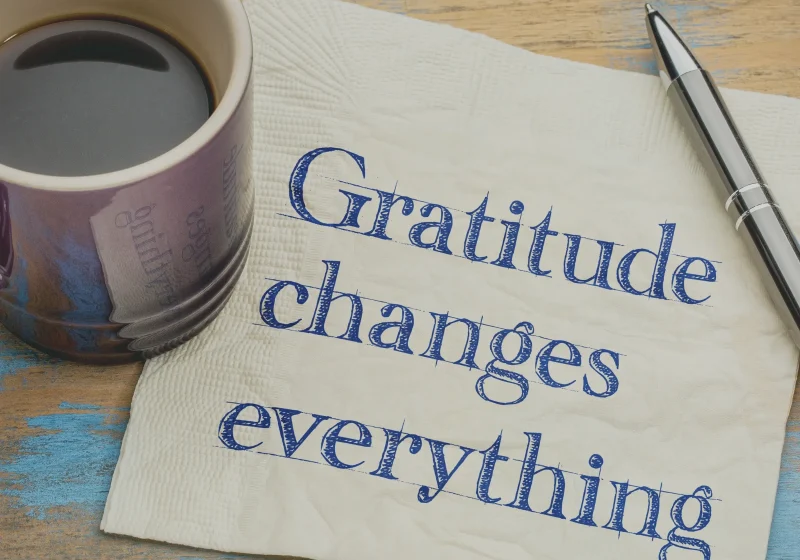
Build Self Esteem
Finally, gratitude helps build and improve self-esteem. Thankful people tend to compare themselves less to others and enjoy the life they have. Gratitude is often associated with one’s positive self-image because it relates to how you treat yourself. If you want to improve your life and your level of self-esteem and self-love, you must start by being grateful for the now.
Gratitude plays a vital role in building self-esteem and nurturing a positive self-image. When we practice gratitude, we shift our focus from self-criticism and comparison to self-acceptance and self-appreciation. We develop a healthier and more compassionate relationship with ourselves by acknowledging and expressing gratitude for our strengths, accomplishments, and qualities. Gratitude helps us recognize our worth and value, fostering a sense of self-confidence and empowerment.
It reminds us of our positive contributions to the world and our impact on others. As we cultivate a grateful mindset, we see ourselves more positively, appreciating our unique attributes and embracing our imperfections. This shift in self-perception enhances our self-esteem, allowing us to navigate life’s challenges with greater resilience and self-assurance. By incorporating gratitude into our daily lives, we can nurture a strong foundation of self-esteem and cultivate a deep sense of self-worth.
Final Thoughts
In conclusion, gratitude can positively impact every aspect of our lives. We have explored seven compelling reasons to embrace gratitude: it boosts mood, improves overall health, strengthens relationships, fosters positive feelings, reduces anxiety and depression, increases personal satisfaction, and builds self-esteem. By incorporating gratitude into our daily lives, we can cultivate a mindset of abundance, contentment, and appreciation. We can shift our perspective from what we lack to what we have, finding joy and fulfillment in the present moment.
Gratitude allows us to navigate challenges with resilience, nurture more profound connections with others, and create a positive ripple effect in our communities. So, let us embark on a gratitude journey, consciously focusing on the blessings and cultivating a grateful mindset that enriches our lives and the lives of those around us. Together, we can embrace the transformative power of gratitude and experience a profound shift in our well-being and overall happiness.
How To Be More Grateful
You can build a habit of being grateful by embedding it into your daily routine. There are many different ways to practice gratitude. Some of my favorite ways of practicing gratitude include the following:
- Journaling: Writing out what you are grateful for at the end or beginning of each day to help you process your thoughts
- Meditation: Calming your mind and body down and using this time to be in the present
- Writing a Grateful List
- Saying Thank You to someone for giving you something
Whether it’s 5 minutes in the morning or writing down a list, any form of gratitude can change your life. But it doesn’t happen overnight. Nothing ever does. What are you grateful for? How often do you practice gratitude? Let me know in the comments.




Right on time! I started a gratitude journal recently and it has really helped with my perspective on my days.
That’s great! I’m actually starting my journaling journey. It’s been great so far.
Wow! I didn’t know that it would have this many benefits. I’ll definitely try to be more mindful of being grateful in the future (I really like the idea of creating a grateful list/journal).
I’m glad you found this helpful!
I love this! I practice gratitude at night, before bed. I find taking the time to reflect on my day and be grateful helps me so much. I have a more positive attitude towards everything in my life. Thanks too much for sharing this Riyah!!
Me too! I try to journal every night and write down 3 things I was grateful for that day. I found that it improved my sleep and made me feel good.
I’m a huge fan of any article that promotes the benefits of gratitude! It can be hard to practice when everything seems down, but it is SO important for mental health
Thank you so much for these kind words! Yes, gratitude is soo important for overall mental health. It honestly should be promoted more.
This was such a good read.
Thanks!